
Arobiyyah Tutorial – Lesson 5
الْمُوَاصَلِةُ فِي الْحَرَكَاتِ
Continuation on Al-harokaat
In the previous lesson, you have learnt the new name given to each harokah.
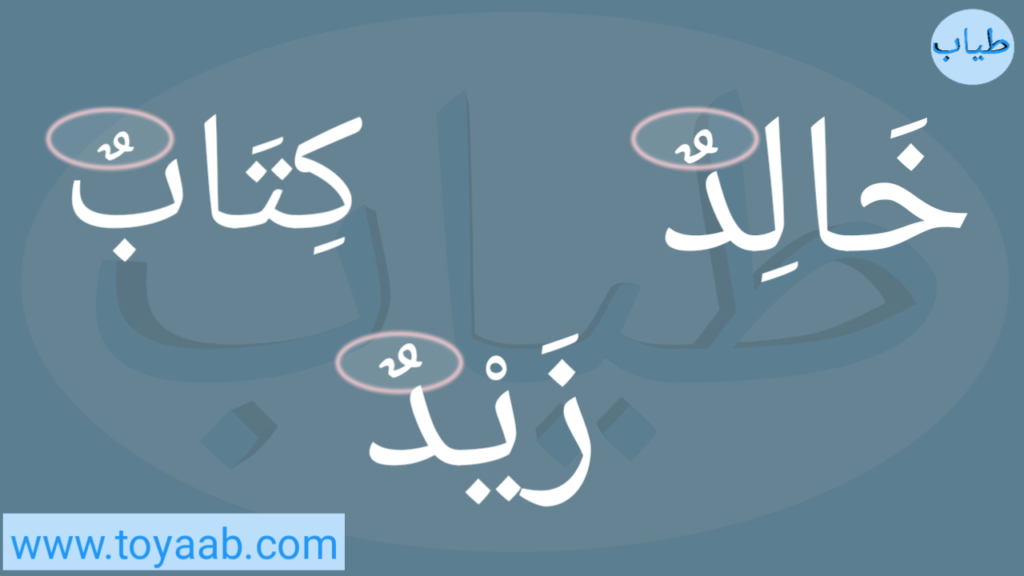
Now, any name found having Dommah (single) or Dommataan (double) on its last letter is said have collected rof’u.
Examples of names that collect rof’u (dommah) can be found in the diagram below:
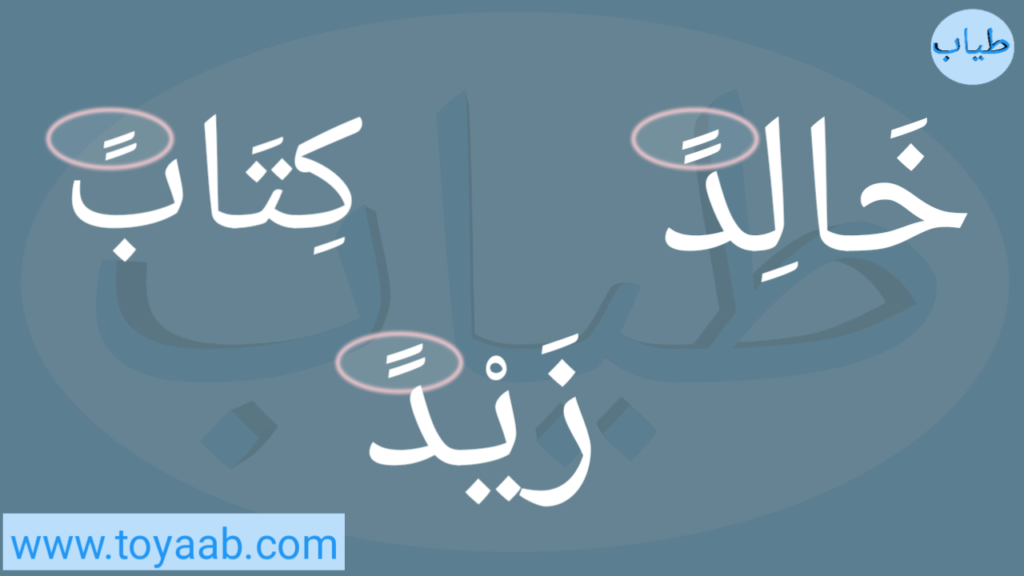
Likewise, when a name has Fathah (single) or Fathataan (double) on its last letter will be said to have collected nasbu.
Examples of names that collect nasbu (fathah) can be found in the diagram below:
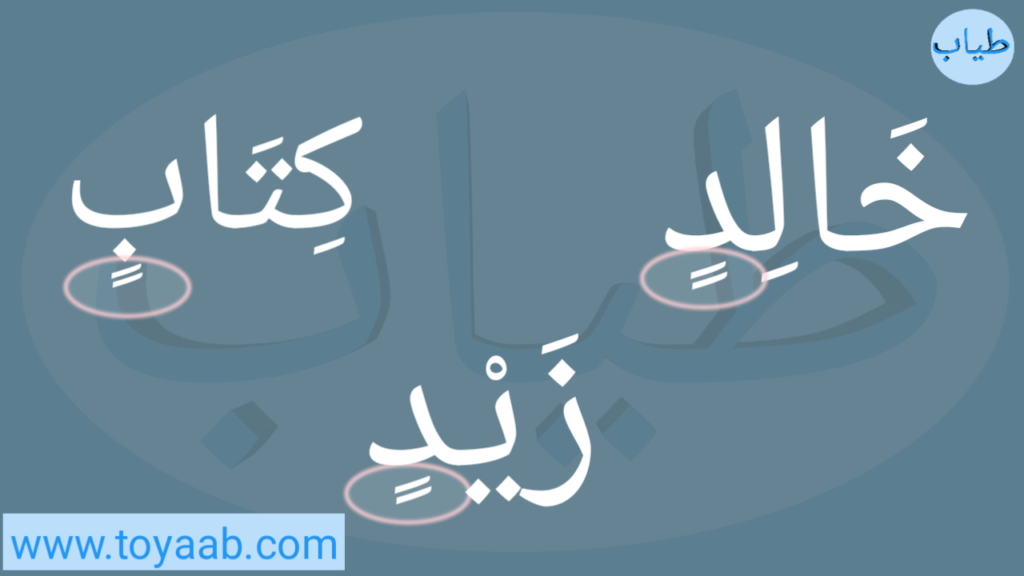
Likewise, when a name has Kasroh (single) or Kasrotaan (double) on its last letter will be said to have collected jarru.
Examples of names that collect jarru (kasroh) can be found in the diagram below:
I hope you understand ?, huuh !!, go over to it and read again with full concentration.
الْفَاعِلُ وَالْمَفْعُولُ بِهِ
Al-faa’il (الفاعل) means, the subject: A subject is termed as the performer of an action in a sentence. The doer of an action.
Al-mof’uulu bihi (المفعول به) means, the object: An object is termed as the receiver of an action in a sentence. The sufferer of an action.
How do we recognize a subject and the object in a sentence ??
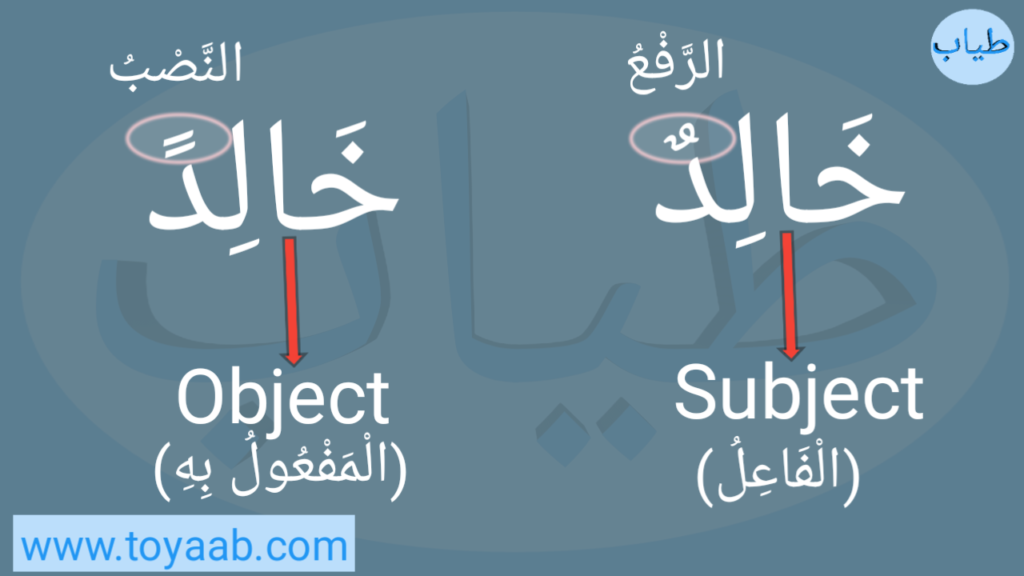
Basically, for beginners, whenever a name collects rof’u, we refer to it as the subject that performs an action in the verb found in a sentence.
And, when a name collects nasbu, we refer to it as the object that receive an action being performed by a subject in a sentence.
Consider the diagram below for more clarification:
Usage Examples
If I say:
ضَرَبَ خَاِلدٌ زَيْدًا
Khaalid beat Zaid
The interpretation goes thus:
Doroba (ضرب) is the verb: an action word in that sentence which mean to beat. Now, the question is : who beat who ?, who is the person that beats and who is the person been beaten ?
According to the rules stated above that a name that collect rof’u i.e that collects dommah is the faa’il (subject) while the one that collects nasbu i.e that collects fathah is the mof’uulu bihi (object).
Therefore, we can say:
- Doroba (ضرب) – verb
- Khaalid (خالد) – subject
- Zaid (زيد) – object
So it means: Khaleed beat Zaid
Khaleed is the subject because he is the one that beats while Zaid is the object because he is the one being beaten.
Another example are:
لَطَمَ زَيْدٌ الْوَلَدَ
Zaid slap the child
قَتَلَتْ فَاطِمَةُ ثُعْبَانًا
Faatimoh kills a snake
Note: You might be wondering how I deal and interpret those verbs that appeared in the examples above, don’t worry for now, just accept the meaning of those verbs as I have interpreted it for you. You will know more about verb later in this course.
Exercise
Interpret the following sentences:
- ضَرَبَ زَيْدٌ فَاطِمَةَ
- لَطَمَ فَاطِمَةَ خَالِدٌ
- قَتَلَ خَالَدٌ ثُعْبَانًا